

OEM, ODM and private label are often used as if they meant the same thing. They do not, and the difference affects your cost, your timeline and who owns the design.
Key takeaways
- OEM: you bring the design and own it; the factory makes patterns, samples and bulk.
- ODM: you choose and adjust factory designs, then add your branding. Faster to launch.
- Private label: your labels on a ready style. Shortest development, least unique.
- BRETT does all three, and styles developed for you are not offered to other brands.
OEM: your design, our production
You bring the design, tech pack or reference garment. The factory makes patterns, samples and bulk to your specification. You own the design.
Best for: brands with a clear product idea and their own look.
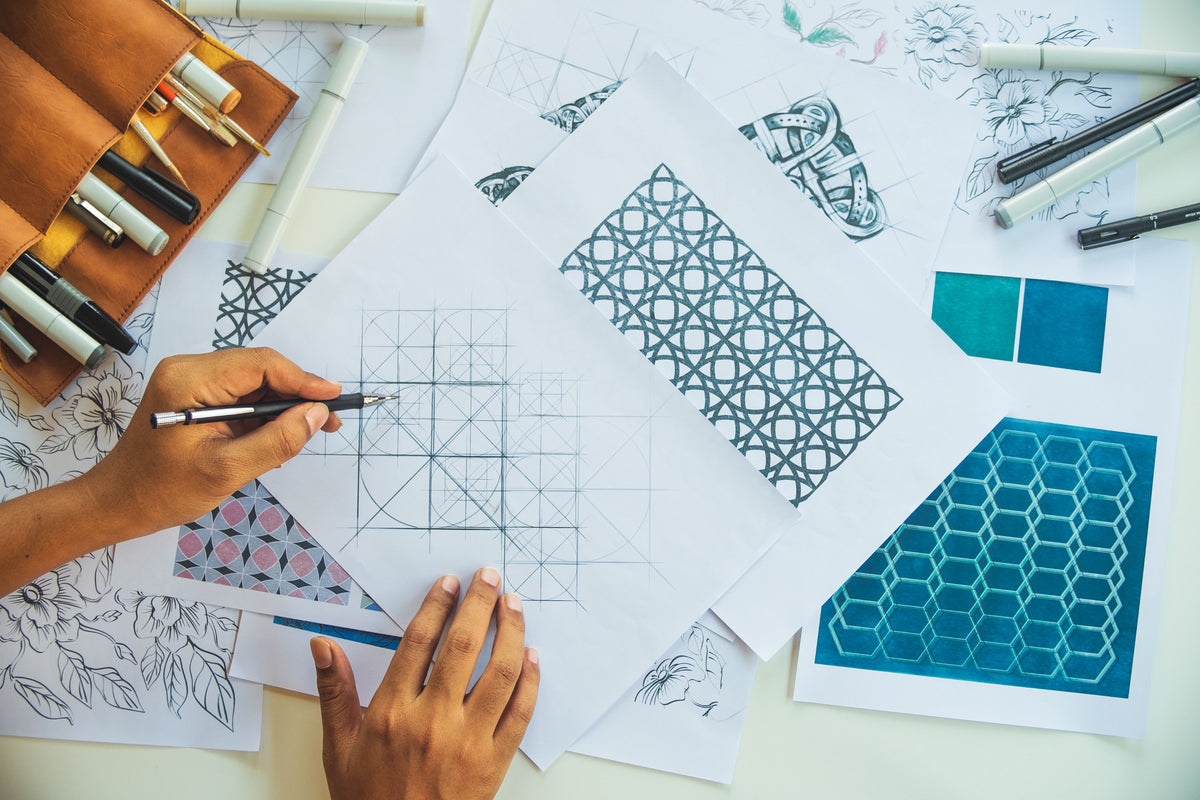
ODM: our design, your brand
The factory offers existing designs or develops new ones for you. You choose, adjust colors, fabrics and details, and add your branding.
Best for: brands that want to launch fast or do not have a design team.
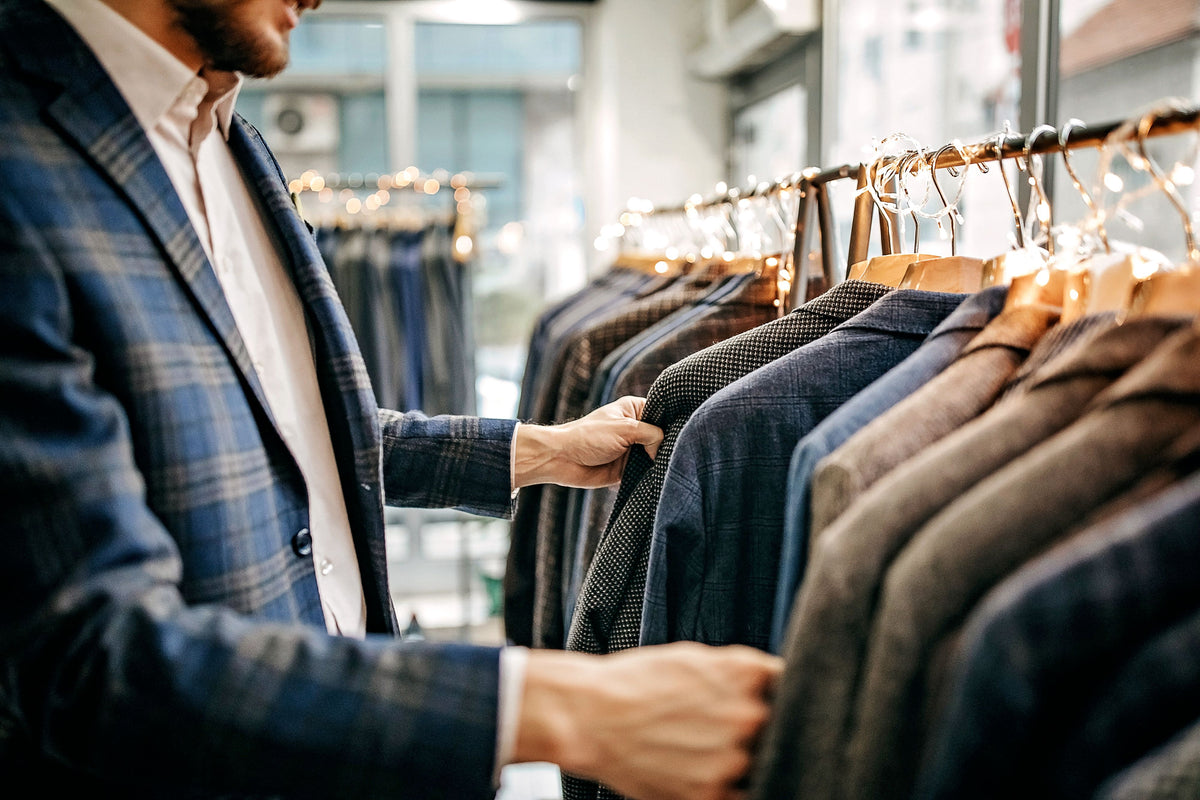
Private label: your label on a proven product
Private label usually means taking a ready style and adding your own labels, hang tags and packaging. Development is short, but the product is less unique.
Side by side
| OEM | ODM | Private label | |
|---|---|---|---|
| Who designs | You | Factory, with your input | Factory |
| Development time | Longest | Medium | Shortest |
| Uniqueness | Highest | Medium | Lowest |
How BRETT works
Factory note
We do all three. Many brands start with ODM for basics and OEM for their hero pieces. Whichever route you choose, a style we develop for you is not offered to other brands, and labels, hang tags and packaging can follow your brand guidelines.
Ready to start your collection?
Send us your design, photos or a reference garment, plus your target quantity per style and color. Our Taiwan team will reply with sampling options and a quote.
Get a quoteMore guides
 5 Things to Prepare Before Contacting a Clothing Factory
 How to Find a Low MOQ Clothing Manufacturer for Your First Collection
 How We Control Quality: Shade, Shrinkage and Size Tolerance